First help skills are just valuable when practiced till they end up being automatic. In Jandakot, where flight terminal traffic, light industrial parks, and country communities rest cheek by dewlap, the requirement for experienced, practiced -responders is real. This post explains what efficient first aid training looks like below, with a focus on hands-on method and strenuous analysis. It is created for workplace safety police officers, small company proprietors, neighborhood group leaders, and any individual taking into consideration a first aid course in Jandakot who intends to understand exactly how to select a program that provides sensible competence as opposed to a certificate that gathers dust.
Why method matters
Being showed the actions for CPR or haemorrhage control is different from being able to do them under stress. I have actually seen trainees who understood the textbook sequence yet froze when a fellow trainee simulated collapse and vomit. Technique sets the motor abilities of upper body compressions, the judgment calls regarding when to reposition an air passage, and the confidence to lead by voice when others panic. In Jandakot workplaces-- packing bays, construction lawns, flight terminal service centers-- incidents frequently occur where there is no professional medical -responder for 10 to 20 minutes. The initial 5 minutes form end results. Hands-on training reduces that time to effective intervention.
What a solid Jandakot first aid course looks like
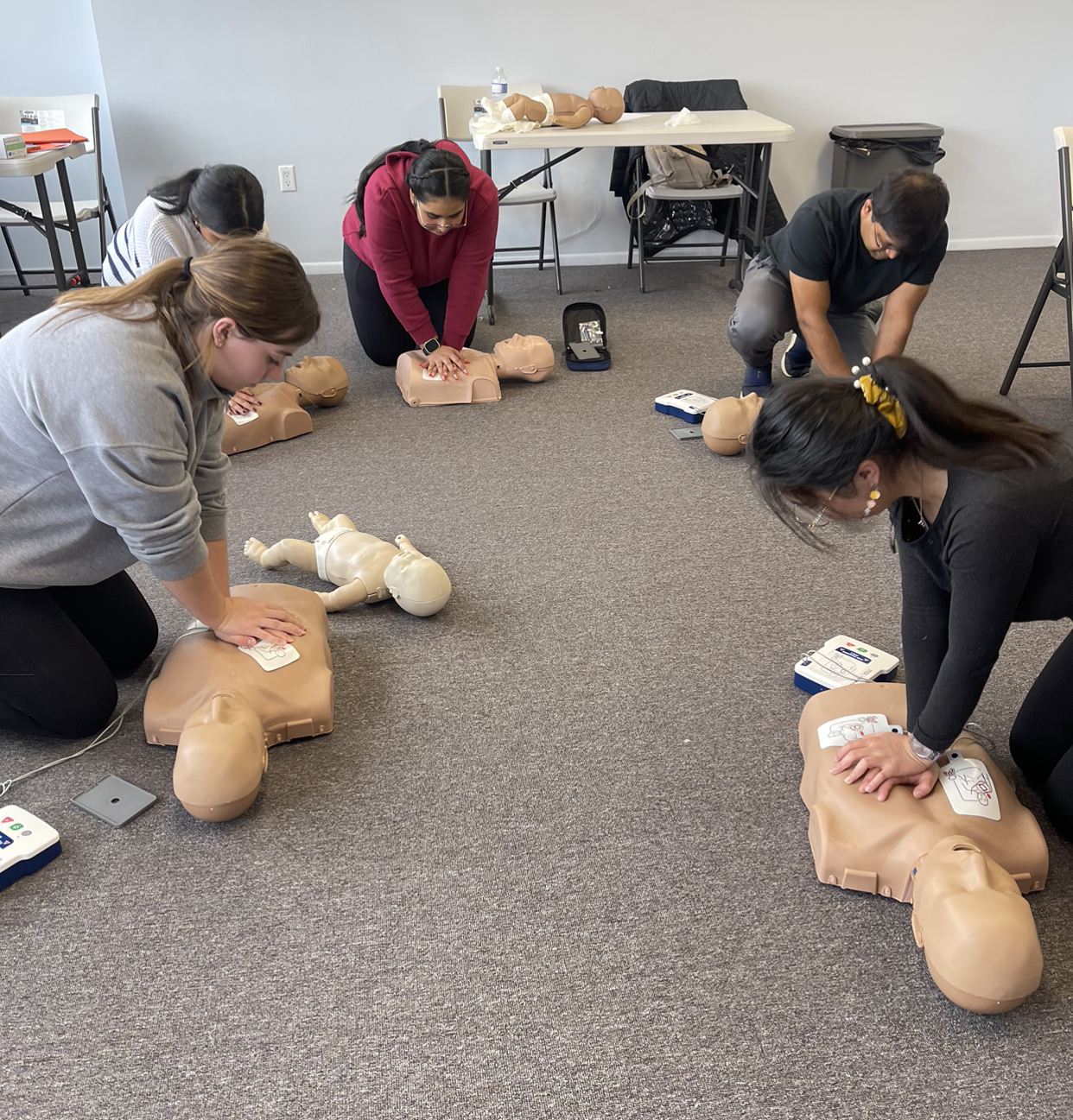
A robust first aid course in Jandakot prioritises active finding out over passive lecture. You should anticipate a mix of short, focused input from a teacher followed immediately by sensible stations where pupils turn with sensible situations. Right here are core features to look for.
- Low student-to-instructor proportion. Classes of 8 to 12 per instructor permit purposeful supervision of each person's compressions, bandaging, and airway management. Repetition with comments. Students perform CPR cycles, using manikins that provide instant feedback on depth and price, then repeat with trainer correction. Scenario complexity that enhances. Start with single-issue simulations like fainting, after that move to consolidated events such as a chemical splatter adhered to by air passage compromise. Use of genuine devices. Training must include an automatic outside defibrillator, tourniquets, oxygen treatment where ideal, and actual first aid packages set up like those students will use on the job. Formal assessment that mirrors actual tasks. Evaluation must be practical and criterion-based, not a multiple-choice test alone.
If you search for first aid training Jandakot or first aid course Jandakot, ask providers whether they run sessions that match those requirements. Courses that call themselves first aid and CPR Jandakot or first aid and cpr course Jandakot need to consist of both cognitive learning and hands-on assessments.
Typical course formats and timeframes
Course size varies by qualification. A typical work environment unit such as Provide First Aid (HLTAID011 or its existing equivalent) frequently runs over one full day, around eight hours in person. A mixed Offer First Aid and CPR course might be a complete day plus a much shorter follow-up for the CPR abilities inspect. A CPR course Jandakot or cpr course Jandakot can be a stand-alone three-hour session when the task just calls for basic resuscitation skills.
Refresher courses often tend to be shorter yet denser, frequently four hours for a cpr refresher course Jandakot where the emphasis gets on revalidating compressions and AED usage. Bear in mind official credentials commonly need revival every 12 to 36 months depending on the regulatory authority and the specific credentials. Companies commonly anticipate a first aid certificate Jandakot that is valid and current.
Practical stations you ought to experience
Good training separates the practical day right into distinctive stations so trainees get a number of reps of certain abilities. A sensible collection of terminals consists of air passage and breathing analysis and administration, CPR and AED practice, shock and circulation monitoring, limb injuries and splinting, and hemorrhaging control including pressure dressings and tourniquet use. Scenario-based terminals should place those skills together.
One component usually underused is environmental realism. For example, method CPR on the flooring as opposed to a training table, present sound and spectator disturbance to simulate a chaotic workplace, and make use of moulage to create sensible injuries. In one training session at a light commercial site near Jandakot Flight terminal I attended, students needed to bring an unconscious person from behind a pallet pile and execute CPR next to a rolling forklift. It was unpleasant, however it taught practical troubles-- awkward positioning, preserving compression quality while staying clear of debris, and connecting with colleagues to clear space.
Assessment that confirms competence
Assessment must be competency-based and visible. A trustworthy assessment design breaks down required jobs into distinct skills with visible outcomes. For Offer First Aid, assessors usually search for the capacity to do CPR correctly for two minutes, demonstrate reliable AED pad positioning and shock shipment, control significant external blood loss with correct application of pressure and dressings, and handle an airway including recuperation position strategies where appropriate.
Assessments need to include at the very least 2 sensible situations that call for integrated choice making. One situation may be a solitary grown-up collapse calling for resuscitation and AED usage. A second circumstance might include a mindful individual with a deep, bleeding limb wound and indications of shock. Both situations allow assessors to assess core abilities and communication.
A functional evaluation list must cover both psychomotor skills and non-technical abilities: management, scene security evaluation, calling for help, and clear handover to showing up emergency situation services. Where possible, the assessor ought to utilize failure-to-pass criteria that are specific. As an example, a student who regularly executes compressions less than 4 centimetres deep (or outside the present standard range) should be offered organized responses and the chance to remediate before failing the unit.
What technology helps and what it can not replace
Feedback manikins have transformed CPR training. Modern manikins determine compression depth, price, and recoil, and offer instantaneous aesthetic or acoustic signs. They are crucial for finding out appropriate technique. Simulated AED fitness instructors mimic pad positioning and shock shipment without delivering a real shock, which allows repeated method. Video clip playback of a student's efficiency is another useful device; seeing on your own execute compressions typically speeds up correction.
Technology is an amplifier, not a replacement. It can not mimic the appearance of a torn ligament, the changability of a vomiting person, or the odor and anxiety that go along with a real event. Those aspects are the reason real-time role-play and improvisation stay core to quality training.
Choosing a company in Jandakot
Selecting a first aid professional Jandakot local first aid course comes down to 3 variables: educational program positioning with nationwide standards, trainer experience, and how the company runs functional sessions.
First, check that the course maps to the present across the country recognised proficiencies if you require an official certificate. Numerous listings make use of terms like first aid course in Jandakot or first aid courses in Jandakot; validate which units of expertise are being taught.
Second, satisfy the trainers. Ask about their useful background. An instructor that has actually changed between servicing emergency ambulances, training in commercial very first action, and providing neighborhood CPR sessions will have a richer toolkit than someone that only has class training experience. Trainers who consist of individual field narratives help make scenarios reasonable without jeopardising privacy.
Third, inspect how method is structured. Can you go through the class schedule? Are there station rotations, the length of time is each method block, and what equipment is used? If the instructor can not plainly define their analysis process and re-sit policy, be cautious.
Preparing your group before the course
A little pre-course prep work enhances outcomes drastically. Ask participants to check out any kind of pre-course materials, see a short CPR method video clip, and come with comfy clothes that enables flooring method. Organisers must ensure individuals complete any kind of necessary clinical declarations and reveal problems that may influence their capability to get involved physically. For workplaces, notify team regarding the need to exercise substitute heavy lifting safely; if a person has a back issue, prepare an adjusted function that still practices decision-making and delegation.
When an employer sends a team for first aid courses Jandakot, consider surprising participants so not all experienced individuals are absent at the same time, and keep records of who completed which systems and when renewal schedules. An easy spreadsheet with names, course type, date, and certificate expiry ends up being vital during inspections.
Common weak points to watch for
Some courses depend as well heavily on theory and provide little practical time. Various other regular issues include jammed courses where trainers can not offer purposeful rehabilitative comments, and making use of outdated guidelines or devices. I once examined a work environment first aid program where students spent six hours paying attention to slides and just 15 minutes on CPR technique. That is not acceptable for a workplace that may anticipate those personnel to respond to a collapse.

Another issue is shallow evaluation. If certificates are issued after a multiple-choice exam with no practical examination, the certificate suggests very little. Likewise, courses that do not inspect the high quality of compressions with responses manikins are missing out on an essential step.
Recovery and emotional preparedness
First aid training that The original source quits at abilities risks leaving responders not really prepared for the psychological consequences. Individuals that carry out CPR in an office setup often experience distress later on. Excellent courses include a quick component on psychological first aid for -responders, what to expect psychologically, and just how to accessibility support or debrief with colleagues. Straightforward techniques such as a brief group debrief, contact details for worker support programs, and normalising emotional reactions significantly decrease longer-term stress.
Specialised training: past the basics
Some workplaces call for modules beyond the basic provide first aid system. Remote sites and sectors in Jandakot with particular dangers might take advantage of innovative injury life support concepts, oxygen management recommendations, or training in replying to chemical exposures. Where a first aid course Jandakot markets industry-specific modules, request information about functional drills and devices. As an example, a workshop dealing with solvents should include simulated chemical sprinkles with proper decontamination procedures.
Refresher strategy and retention
Skills degeneration is actual. Hands-on abilities like CPR compressions deteriorate over months otherwise practiced. A useful retention technique mixes formal refresher courses with brief office drills. As an example, run a 15-minute group drill regular monthly where a various person functions as the responder and others play bystanders. Every three to 6 months, perform a 30 to 60-minute skills session using manikins to practise compressions and AED pad positioning. After that arrange a formal correspondence course every 12 to 24 months, depending on the certification and workplace risk profile.
I suggest employers determine capability as opposed to attendance. As opposed to just tape-recording that personnel participated in a refresher course, conduct a short observed abilities check and record the end results. This strategy keeps ability degrees sincere and determines individuals that need added support.
Costs and value
Prices for first aid and CPR Jandakot differ based on course size, devices, and whether the service provider provides on-site. Anticipate a single-day HLTAID011-style class to variety widely; smaller classes with top notch tools and low ratios justify greater charges since they create far better outcomes. Think about training as a financial investment in risk decrease. The cost of a well-run sensible program is tiny compared with the prospective prices of office injury, regulatory charges, or the human expense of poor response.
Anecdote that makes clear the difference technique makes
During a multi-site training program I provided for an aeronautics upkeep service provider, one trainee later made use of abilities from that day to save a colleague who had a heart attack in the workshop. Since the trainee had exercised two-minute CPR cycles with real-time feedback, he maintained high-quality compressions until the paramedics showed up. That case underscored a clear fact: ability quality, not just having a certificate, forms end results. The student informed me afterwards that the repeated practice and the tension of substitute noisy atmospheres made the actual occasion "much less terrifying and a lot more procedural," which is an accurate summary of preparedness.
Questions to ask prior to you authorize up
When assessing companies in Jandakot, ask these sensible concerns: How many trainees per teacher? What manikins and AED fitness instructors do you utilize? Are scenarios sensible and do they include moulage? Is analysis practical and observed? What is your re-sit and removal plan? Can you run on-site sessions utilizing our real first aid kits and work environment design? Solution to these concerns reveal whether a supplier concentrates on capability or compliance.
Final sensible checklist
- confirm the course maps to the acknowledged systems you need, such as give very first aid verify low student-instructor proportions and using comments manikins ask for details on useful situations, evaluation techniques, and re-sit policies plan workplace refreshers and short month-to-month drills to preserve skills ensure psychological debrief and assistance procedures are covered
Where to look locally
Search terms like first aid course Jandakot, jandakot first aid course, and cpr training Jandakot will surface regional suppliers. Visit their premises, evaluate their devices, and ask to sit in on a portion of a class ideally. Community centres, registered training organisations, and purpose-built first aid training centres all run around Jandakot. Contrast not just price yet the depth of practice and assessment.
If you take care of a work environment, straighten your training schedule with functional demands and maintain certifications and assessment records centralised. If you schedule as a private, select a session that prioritises sensible rep and offers you access to responses devices.
Practical following steps for organisers
Book a site check out by the instructor so they can tailor circumstances to your workplace hazards. Give a listing of typical events you predict on-site. Ensure individuals wear clothing appropriate for flooring work and that any physical constraints are disclosed ahead of course. Schedule a short debrief after real-time occurrences so skilled staff can talk about obstacles and identify training gaps.
Getting it right
The difference between first aid training that generates efficiency and training that just issues documentation boils down to one aspect: intentional practice with purposeful feedback. In Jandakot, where time to expert assistance can be measured in mins that matter, the community gain from training created around practical method, strong assessment, and continuous upkeep. Pick a carrier that understands that, need hands-on hours, and develop an office routine that keeps skills sharp. The next time a collapse happens, those minutes will count.